
Improving Soil Health
- Soils rich in organic matter support stronger root development.
- Increased soil biological activity suppresses harmful fungi and bacteria.
- Regular application of compost or organic fertilizers enhances soil structure and resilience.
Orchard Hygiene and Pruning
- Remove fallen leaves and fruits to prevent the spread of fungal spores.
- Prune and remove infected branches from the orchard.
- Proper pruning improves air circulation, reducing leaf surface moisture and disease pressure.
Irrigation Management
- Excessive irrigation increases the risk of root-zone fungal diseases.
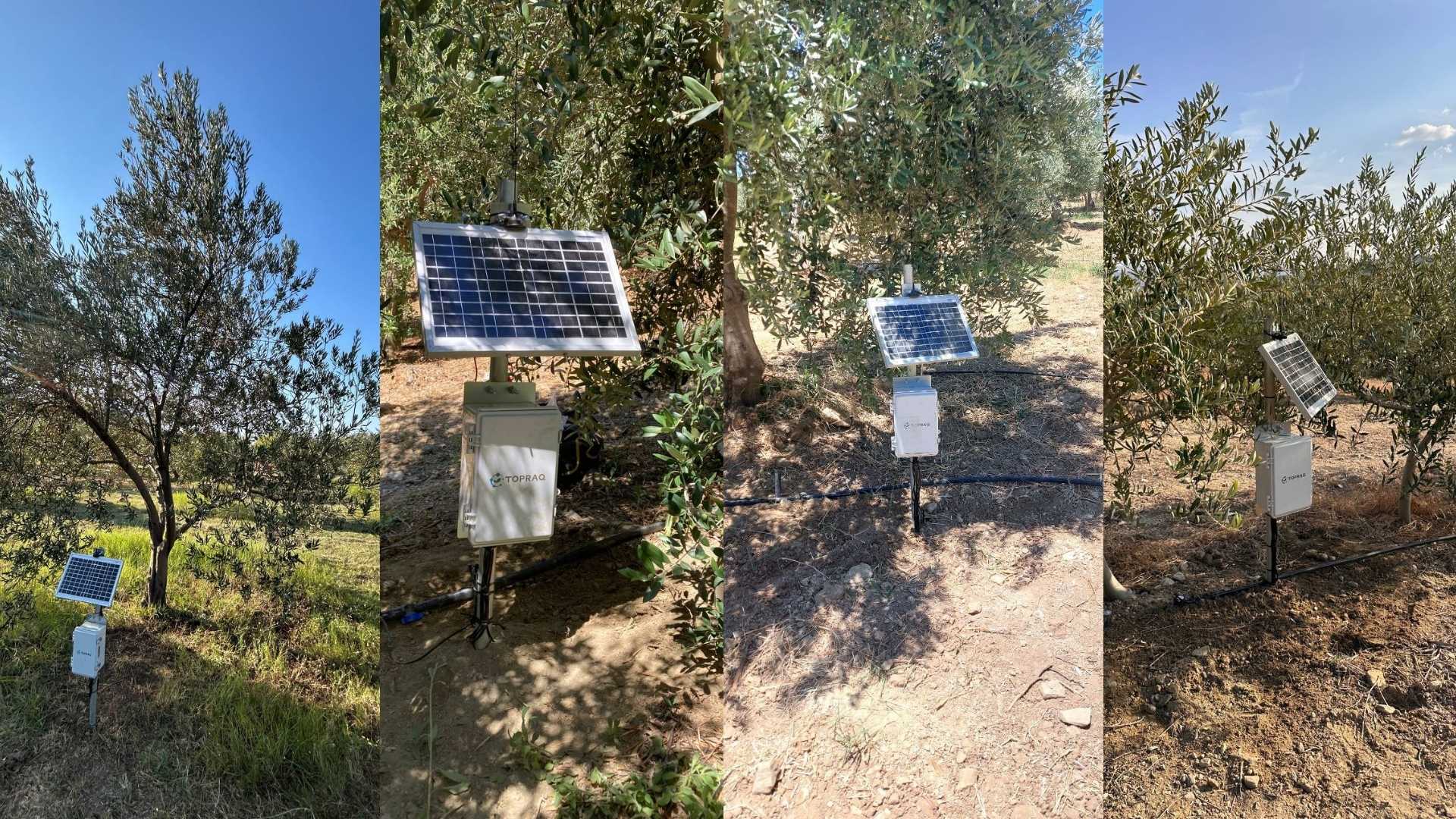
- Irrigation amounts should be adjusted according to actual soil moisture levels (can be monitored with irrigation optimization station T-Irrigate).
- Drip irrigation keeps leaves and fruits dry, significantly lowering disease risk.
Natural and Biological Products
- Copper- and sulfur-based organic products help suppress fungal spores.
- Biological products containing beneficial microorganisms compete with pathogens and limit their growth.
- If chemical treatments are necessary, they should be applied at the correct timing and dosage to minimize negative impacts.
How Do Olive Tree Diseases Recover?
Once a disease has developed, effective recovery requires a systematic approach:
- Accurate Diagnosis
Symptoms on leaves, fruits, or trunks should be clearly identified with expert support. - Restoring Nutrient Balance
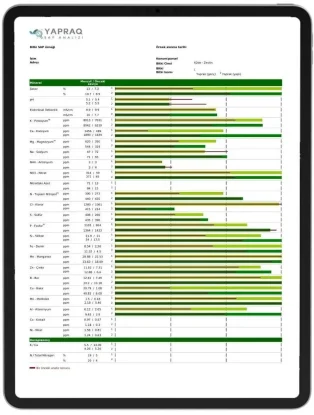
Deficiencies are identified and corrected using Yapraq Plant Sap Analysis. - Appropriate Control Strategy
Cultural practices, biological solutions, and—when necessary—organic or chemical treatments are combined. - Regular Monitoring
Even after symptoms subside, orchards should be inspected regularly to prevent recurrence.
Common Olive Diseases and Natural Control Recommendations
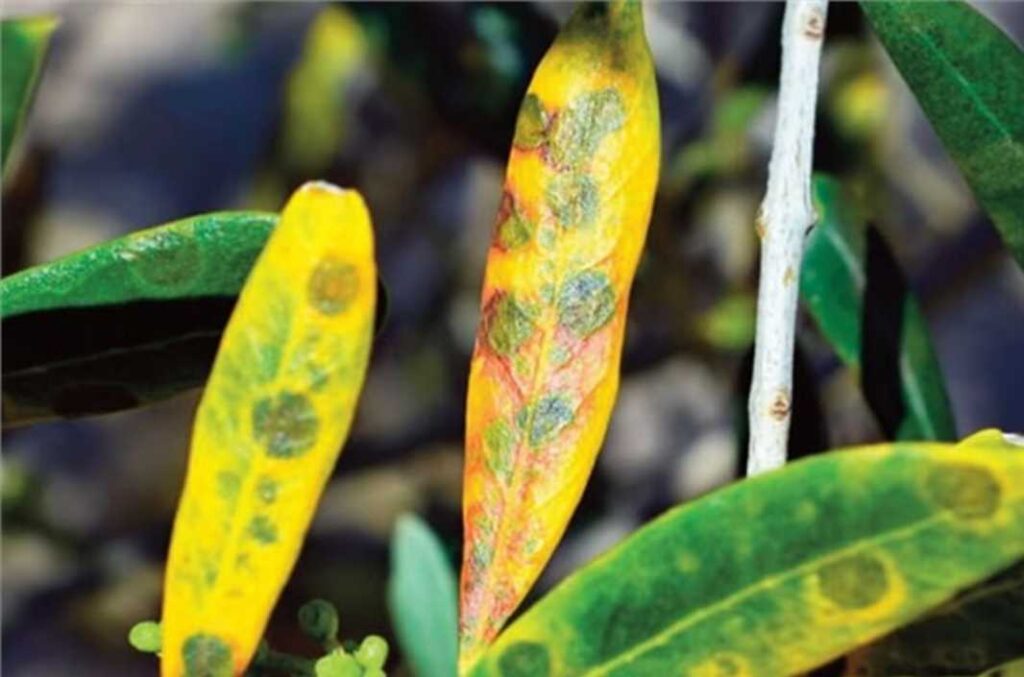
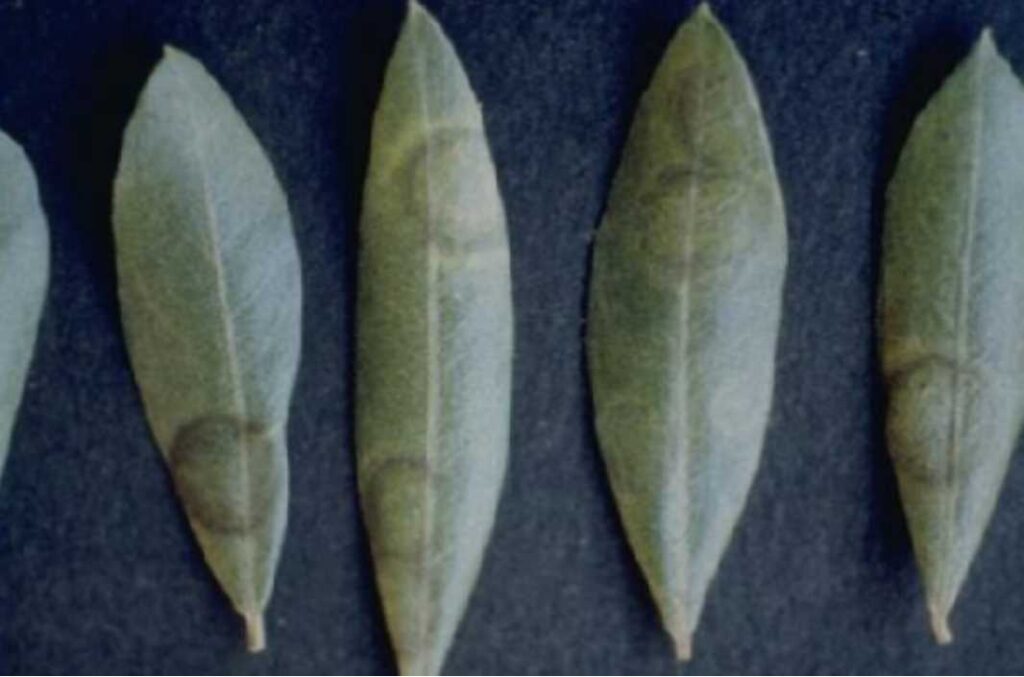
- Olive Peacock Spot (Black Spot): Proper pruning, copper-based organic products, balanced nutrition
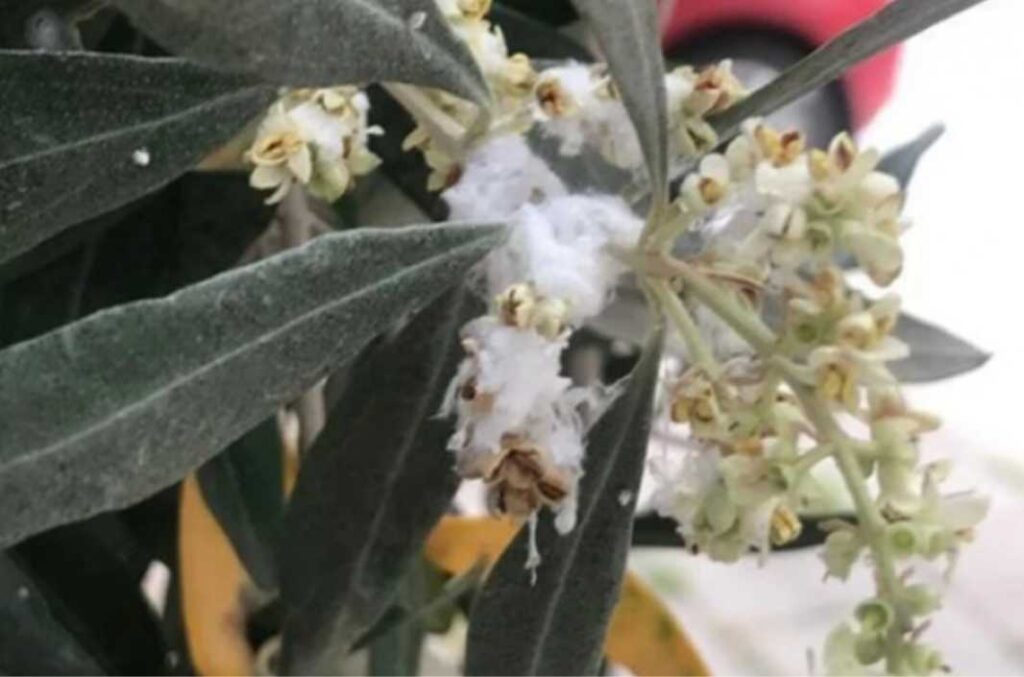
- Sooty Mold: Improved air circulation, irrigation management, strengthening leaf health
- General Fungal Diseases: Improved drainage, organic matter enrichment, beneficial microorganisms
The most effective way to manage olive tree diseases is to keep trees strong and take preventive action before disease onset. Yapraq Plant Sap Analysis identifies nutrient imbalances weeks before visible symptoms appear, giving growers a critical advantage. This proactive approach reduces disease risk while improving yield, fruit quality, and long-term orchard sustainability.