
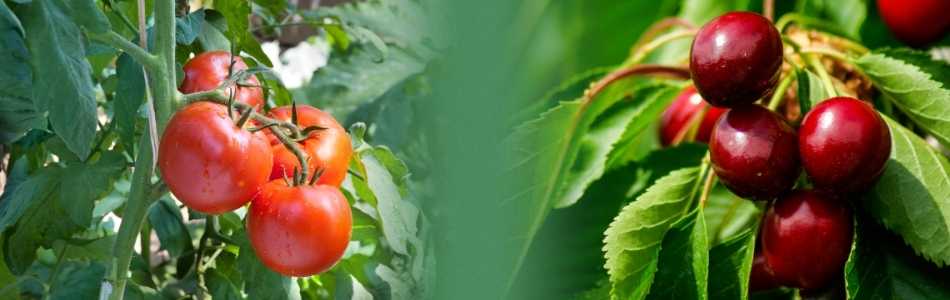
Tomato and cherry are high-value crops that face significant disease pressure every growing season. Tomato and cherry tree diseases caused by fungal, bacterial, and soil-borne pathogens can lead to serious yield losses, reduced fruit quality, and increased production costs. Traditional disease control methods often focus on reactive chemical spraying after symptoms appear. However, modern agritech solutions emphasize early prevention, plant immunity, soil health, balanced nutrition, and smart irrigation to reduce disease risk before it becomes visible.
In this comprehensive guide, we explore the most common tomato and cherry diseases, their symptoms and causes, and how data-driven, sustainable agricultural technologies offer long-term protection beyond conventional spraying.
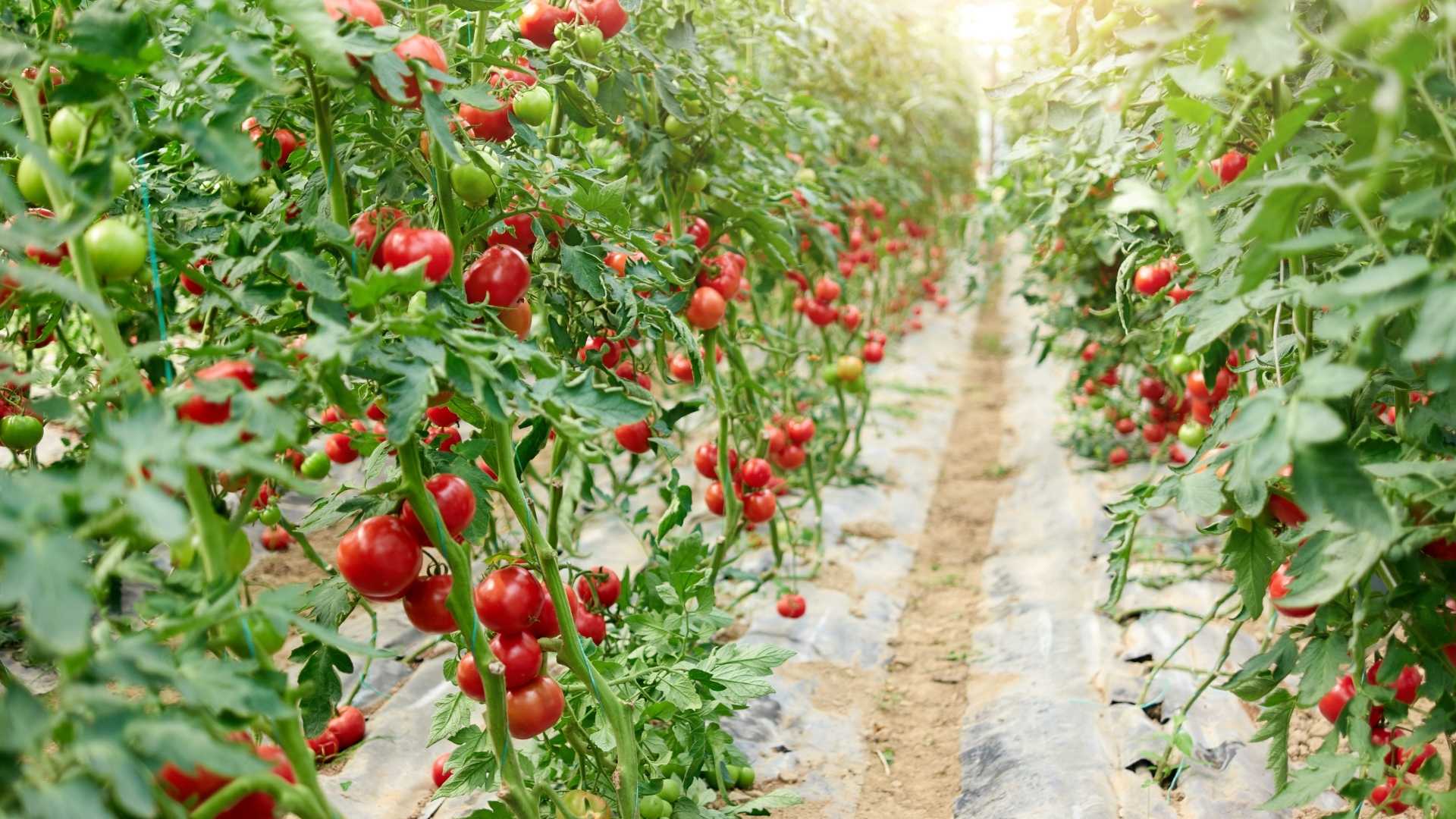
Common Diseases Affecting Tomato Plants
Due to their sensitive physiological structure, tomato plants are highly susceptible to fungal, bacterial, and viral diseases, especially under improper irrigation, nutrient imbalance, and high humidity conditions.1. Tomato Late Blight (Phytophthora infestans)
Symptoms- Water-soaked, pale green lesions on leaves that rapidly turn brown to black
- White, cotton-like fungal growth on the underside of leaves
- Spread to stems and fruits, causing firm brown lesions and fruit rot
- Cool and humid conditions (15–22°C)
- Frequent rainfall, heavy dew, and prolonged leaf wetness
- Traditional: Preventive and curative fungicide applications
- Modern Approach: Strengthening plant resistance before infection occurs through nutrition, irrigation control, and environmental monitoring
2. Fusarium Wilt (Fusarium oxysporum f. sp. lycopersici)
Symptoms- Yellowing and wilting starting from lower leaves
- One-sided plant collapse
- Temporary nighttime recovery in early stages
- Brown discoloration of vascular tissues when stems are cut
- Soil-borne fungal pathogen that survives for years in soil
- High soil temperatures and acidic soil conditions
- Traditional: Resistant tomato varieties and crop rotation
- Modern Approach: Improving soil biology and microbial balance to suppress pathogen activity
Modern Disease Prevention in Tomatoes: Soil, Water, and Nutrition Management
The most effective way to manage tomato diseases is to enhance the plant’s natural defense mechanisms.Soil Health and Disease Resistance (Soliv)
Soil-borne pathogens like Fusarium spread more aggressively in soils with low microbial activity and poor organic matter. Soliv Soil Health Analysis evaluates microbial balance, organic carbon, and soil vitality. Increasing beneficial microorganisms through compost, organic amendments, and regenerative practices suppresses harmful fungi. A biologically active soil acts as a protective barrier for plant roots.Balanced Nutrition for Strong Plants (Yapraq)
Excess nitrogen weakens plant tissue and increases susceptibility to fungal diseases like late blight. Calcium deficiency compromises cell wall strength, making plants more vulnerable to infection. Yapraq Plant Sap Analysis provides real-time insight into the plant’s nutrient uptake, allowing growers to:- Apply nutrients at the correct time
- Avoid excess nitrogen
- Strengthen plant cell walls and immune response
Smart Irrigation to Reduce Disease Pressure (T-Irrigate)
Fungal diseases thrive in humid conditions and prolonged leaf wetness. T-Irrigate Smart Irrigation Stations monitor soil moisture, climate, and plant water demand to deliver precise irrigation timing and volume. This reduces excess moisture, limits fungal spore germination, and prevents stress-induced vulnerability.Diseases Affecting Cherry Trees
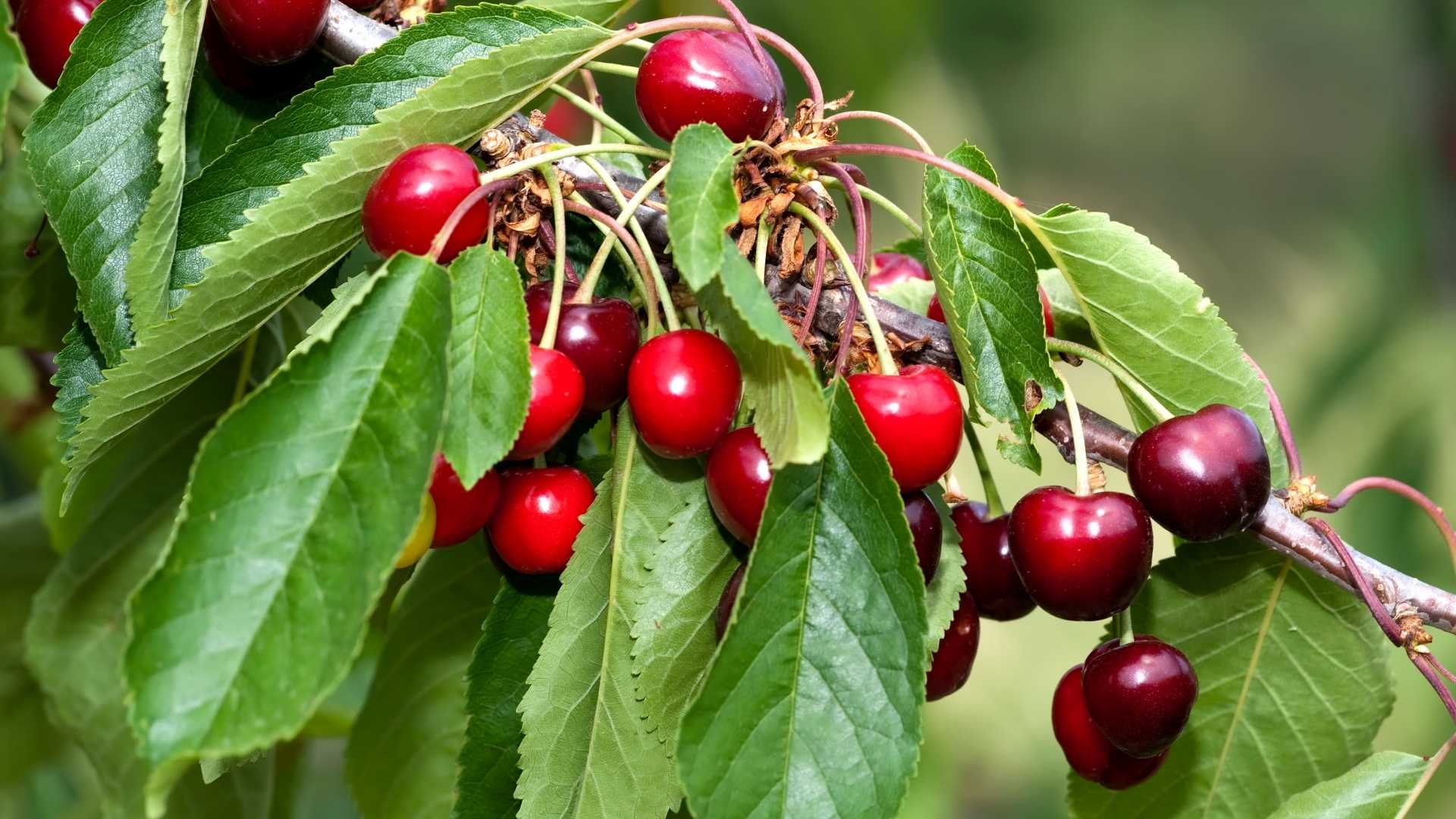
In cherry orchards, diseases emerging during flowering and fruit development have the greatest impact on yield and fruit quality.1. Brown Rot (Monilinia laxa, Monilinia fructicola)
Symptoms- Sudden browning and drying of flowers that remain attached to branches
- Shoot dieback following flower infection
- Small brown lesions on fruit that rapidly expand
- Gray-yellow spore masses forming on rotting fruit
- Rainy and humid conditions during flowering
- Overwintering of pathogens in infected shoots and mummified fruits
- Traditional: Fungicide applications during flowering and pre-harvest
- Modern Approach: Improving overall tree strength and fruit resistance
Proactive Disease Prevention for Healthy Cherry Orchards
Opportunistic pathogens such as brown rot attack stressed and weakened trees more aggressively.Structural Strength from Soil to Fruit (Soliv & Yapraq)
Tree health begins in the soil.- Soliv Soil Analysis optimizes soil structure and root-zone health
- Yapraq Plant Sap Analysis monitors critical nutrients such as calcium and potassium