
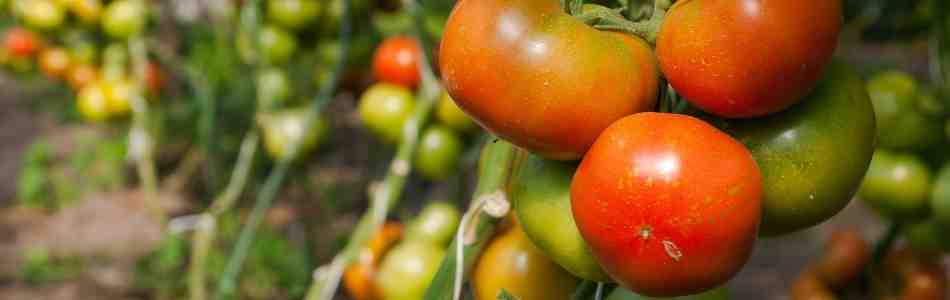
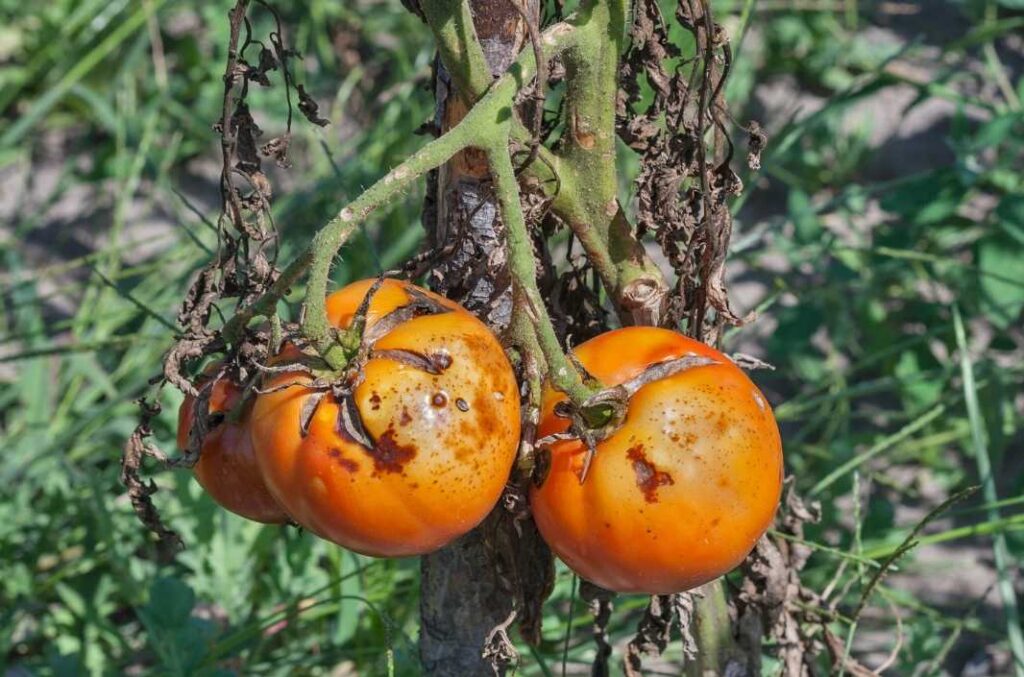
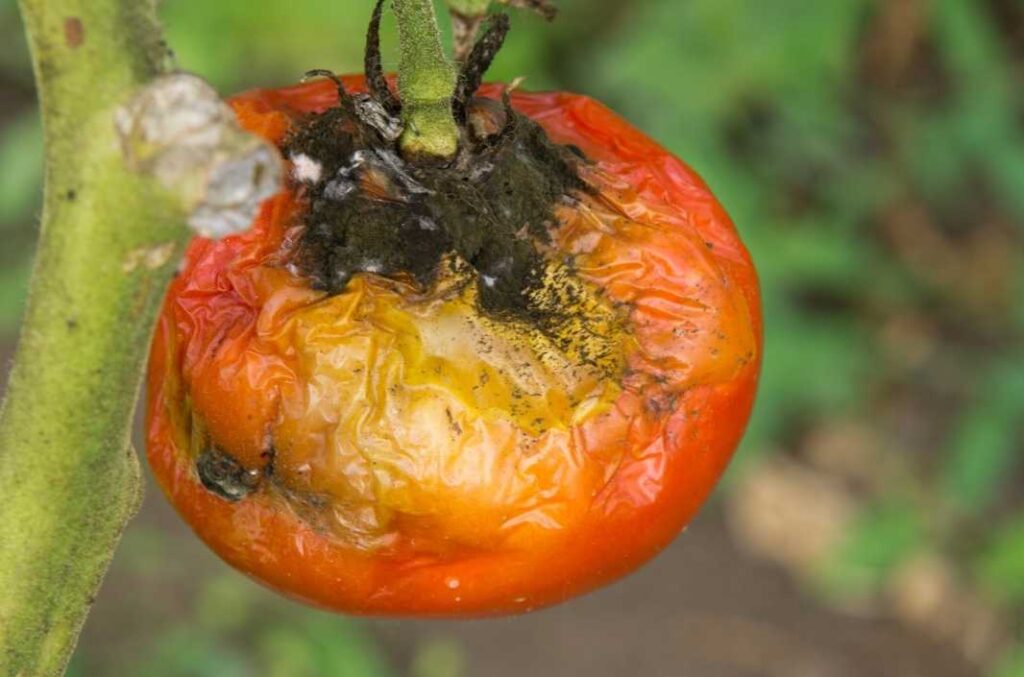
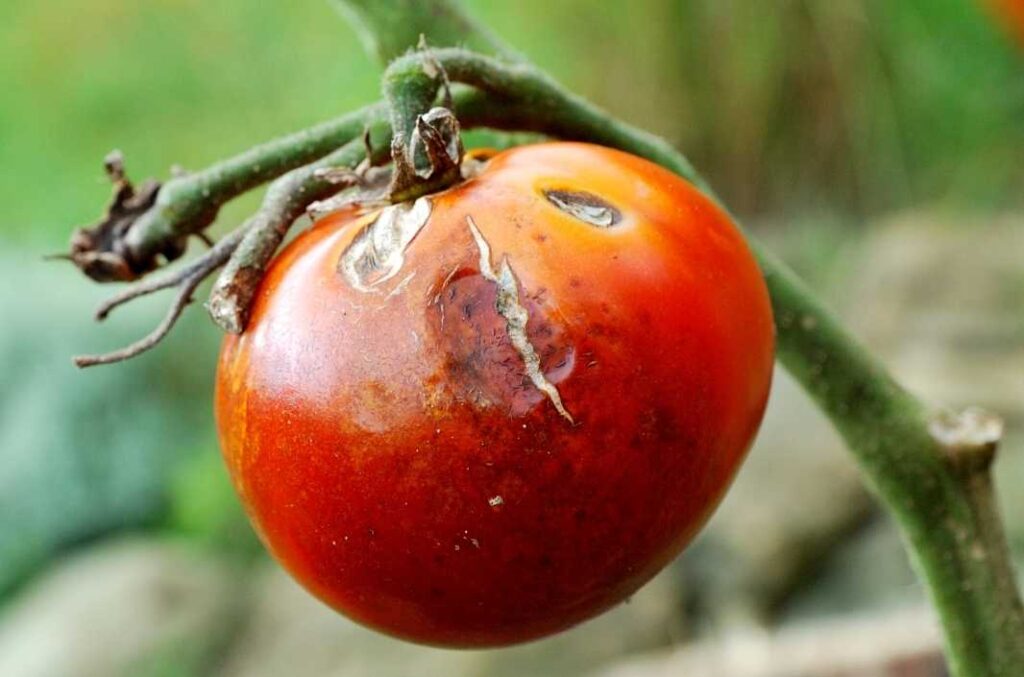
Diseases encountered in tomato production directly affect yield and quality. Tomato diseases are commonly identified through visible symptoms such as color changes, spots, and deformities on leaves, stems, and fruits. However, taking preventive action before symptoms appear is the most effective approach—both economically and for maintaining high product quality.
What Are Tomato Diseases?
Tomato diseases occur due to fungi, bacteria, viruses, environmental stress, or improper crop management practices. Understanding the cause is critical for selecting the right prevention and control strategy.
Let’s Talk – Share Your Contact Information!
What Are the Most Common Tomato Diseases?
Tomato Fungal Diseases
Tomato fungal diseases can spread rapidly under favorable environmental conditions, leading to significant yield and quality losses in a short time. If not managed properly, they increase production costs and threaten long-term economic sustainability.
Major fungal diseases include:
- Gray Mold (Botrytis cinerea)
- Leaf Spot (Septoria apiicola, Septoria lycopersici)
- Crown and Root Rot (Phytophthora capsici)
- Late Blight (Phytophthora infestans)
- Early Blight (Alternaria solani)
- Powdery Mildew (Leveillula taurica)
- Leaf Mold (Cladosporium fulvum)
- White Mold (Sclerotinia sclerotiorum)
- Damping-off (Pythium spp., Rhizoctonia spp., Fusarium spp., Alternaria spp., Sclerotinia spp.)
Tomato Bacterial Diseases
Bacterial diseases damage leaves, stems, fruits, and vascular tissues, reducing both yield and market value. They can spread quickly under suitable conditions and cause serious economic losses if early and effective control measures are not applied.
Common bacterial diseases include:
- Bacterial Speck (Pseudomonas syringae pv. tomato)
- Bacterial Spot (Xanthomonas vesicatoria)
- Bacterial Wilt (Ralstonia solanacearum)
- Bacterial Canker (Clavibacter michiganensis subsp. michiganensis)
- Bacterial Stem (Pith) Necrosis (Pseudomonas corrugata, P. viridiflava, P. cichorii, P. mediterranea, Erwinia carotovora subspp.)
Tomato Viral Diseases
Tomato viral diseases do not directly rot plant tissues; instead, they disrupt photosynthesis, growth, and yield potential, leading to severe economic losses.
Typical symptoms include:
- Leaf mosaic patterns
- Yellowing
- Leaf curling
- Stunted growth
- Fruit deformation
Tomato Seedling Diseases
The most common problems in tomato seedlings are fungal damping-off, root rots, and early blight. Bacterial spot and speck can also infect seedlings through contaminated seeds or irrigation water.
Excessive irrigation, poor drainage, high humidity, and insufficient ventilation accelerate disease development. Physiological disorders such as nutrient deficiencies and temperature stress weaken seedlings, making them more susceptible to diseases.
Key preventive measures include:
- Certified seeds
- Strict hygiene
- Proper irrigation and ventilation
- Regular monitoring
Tomato Stem Diseases
Diseases affecting the tomato stem are mainly caused by fungal (Fusarium, Verticillium, Phytophthora), bacterial (Clavibacter, Pseudomonas), and some viral agents. These diseases weaken vascular tissues, leading to wilting, rot, and stem deformation—ultimately reducing yield and fruit quality.
Natural Control of Tomato Diseases
Natural disease management methods reduce dependence on chemical pesticides, protect soil health, and improve crop quality. The goal is to strengthen the plant against pathogens and eliminate conditions that favor disease development.
1. Regular and Balanced Nutrition
Proper nutrient management is essential for keeping tomato plants resilient against diseases. Plant sap analysis enables early detection of nutrient imbalances weeks before visual symptoms appear, allowing timely intervention.
- Calcium, magnesium, zinc, and boron improve cell wall strength
- Nutrient deficiencies are corrected early
- Strong leaf and fruit tissues reduce pathogen attachment
2. Improving Soil Health
Healthy roots are the foundation of productive tomato plants. Soil analysis reveals the biological and chemical structure of the soil, identifying deficiencies and imbalances and providing targeted improvement strategies.
- High organic matter strengthens root systems
- Increased soil biological activity suppresses harmful pathogens
- Regular compost and organic fertilizer use is recommended
3. Garden Hygiene and Pruning
Clean cultivation and proper pruning significantly reduce disease spread.
- Infected leaves and fruits are removed from the field
- Adequate air circulation between plants is ensured
- Weeds are controlled to eliminate disease reservoirs
4. Irrigation Management
Improper irrigation is a major driver of fungal diseases. Optimized irrigation management ensures the right timing and amount of water based on actual soil moisture conditions.
- Avoid frequent leaf wetting
- Adjust irrigation volumes according to soil moisture levels
5. Natural and Biological Products
Natural and biological products play an important role in suppressing disease-causing organisms.
- Copper- and sulfur-based organic products suppress fungal spores
- Beneficial microorganisms compete with pathogens
- When chemicals are necessary, they must be applied at the correct dose and timing
How Are Tomato Diseases Treated?
- Correct identification of the disease is the first step
- Nutrient balance should be corrected and monitored regularly through plant sap analysis
- Cultural practices, biological products, and chemical control (when necessary) should be integrated
- Regular field inspections help prevent recurrence
How Are Tomato Fungal Diseases Controlled?
- Infected leaves and fruits are removed and destroyed
- Air circulation is improved to prevent moisture accumulation on leaf surfaces
- In cases such as gray mold and damping-off, irrigation is strictly controlled and excess soil moisture is avoided