

Rapid population growth, climate change, shrinking water resources, and limited access to irrigation have brought agriculture to a critical turning point. Today, the challenge is no longer about producing more at any cost, it is about building systems based on measurement, outcomes, and resilience. Agriculture must move away from practices that exhaust soil health and instead work with the soil as a living system.
At this point, regenerative agriculture emerges as one of the most effective approaches to sustainable farming. At Topraq, we build regenerative agriculture on three strong foundations:
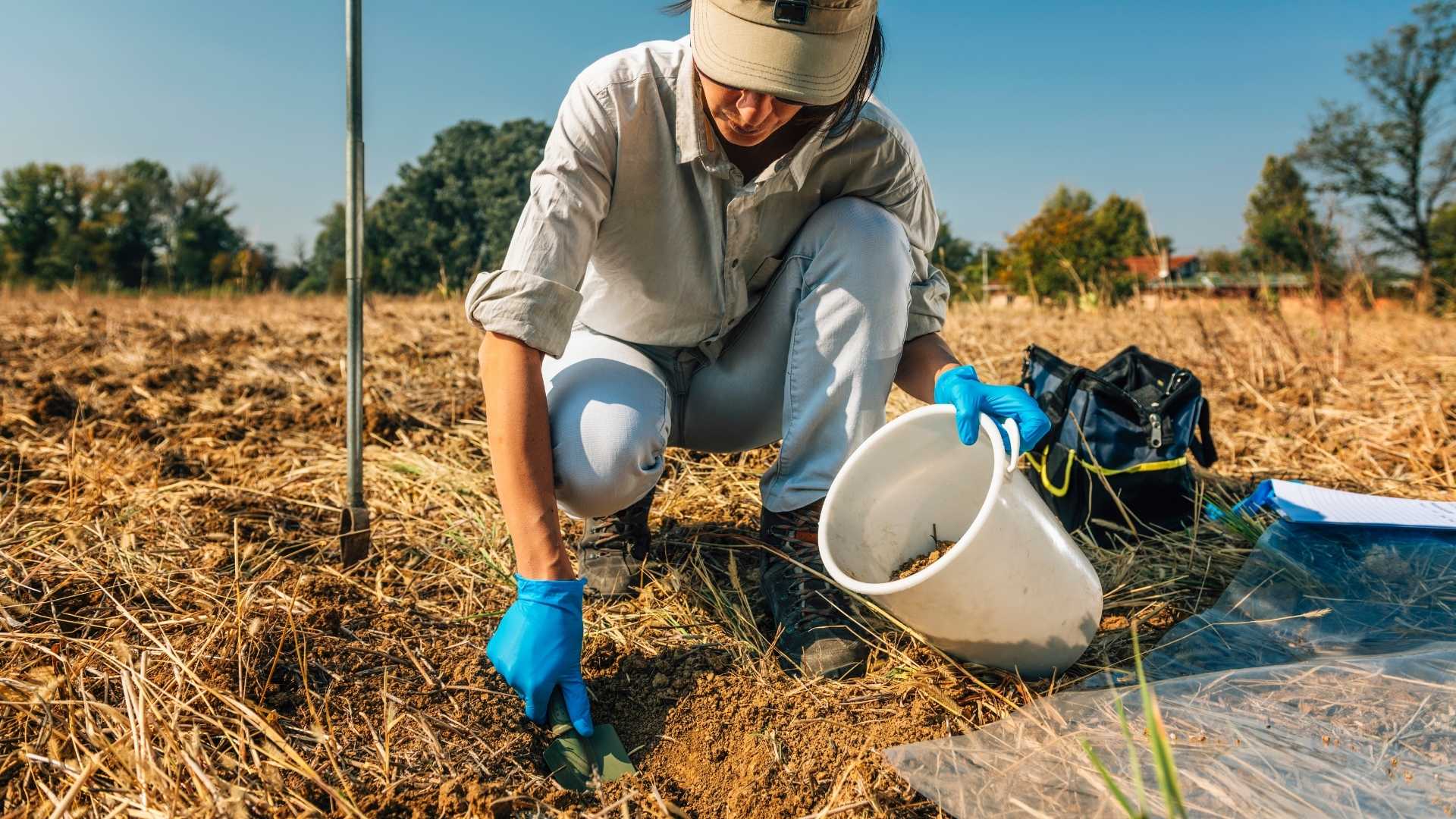
- Analyzing the biological and chemical capacity of soil through advanced soil analysis
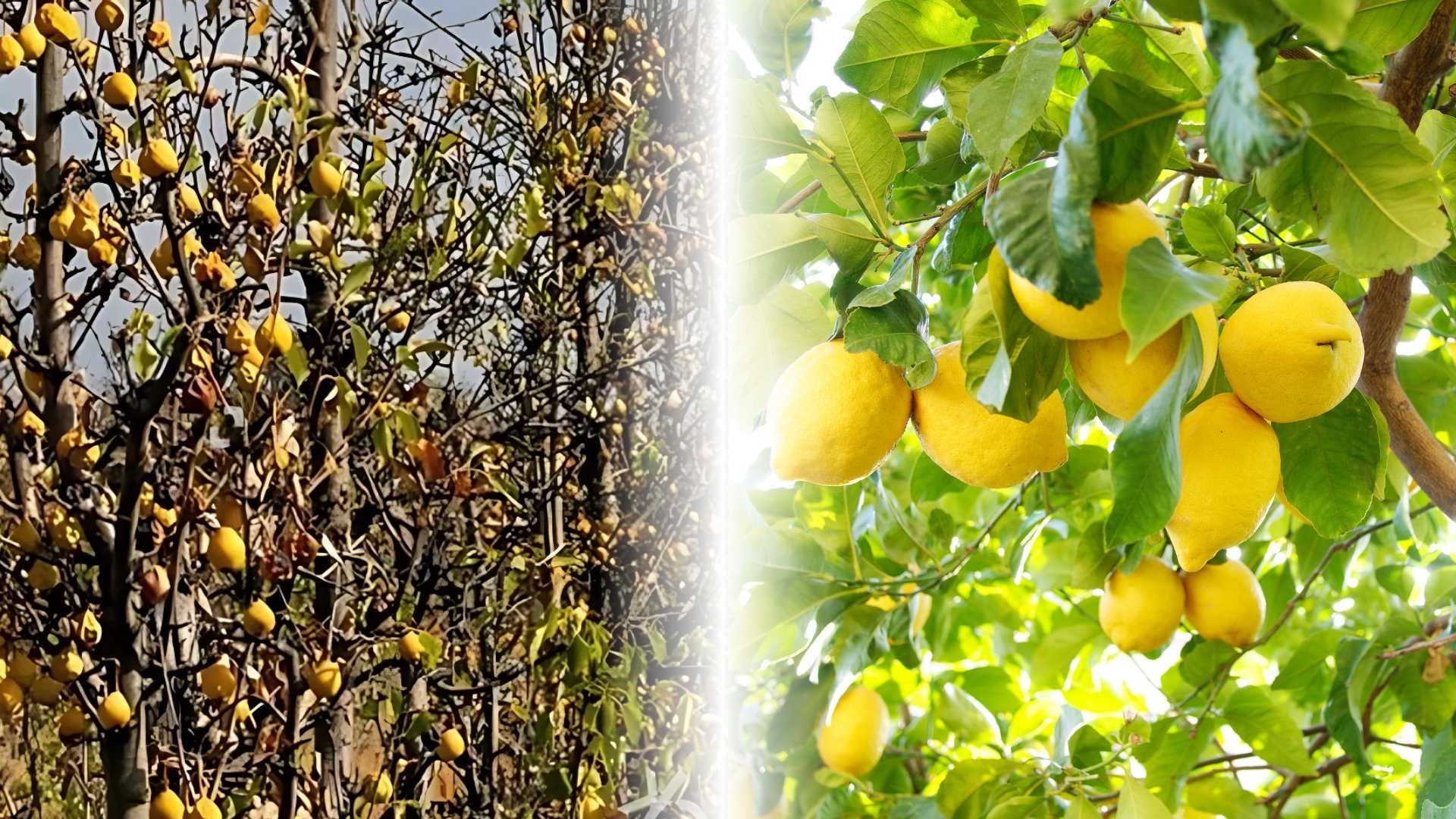
- Developing custom nutrition strategies by identifying real-time plant nutrient needs via plant sap analysis
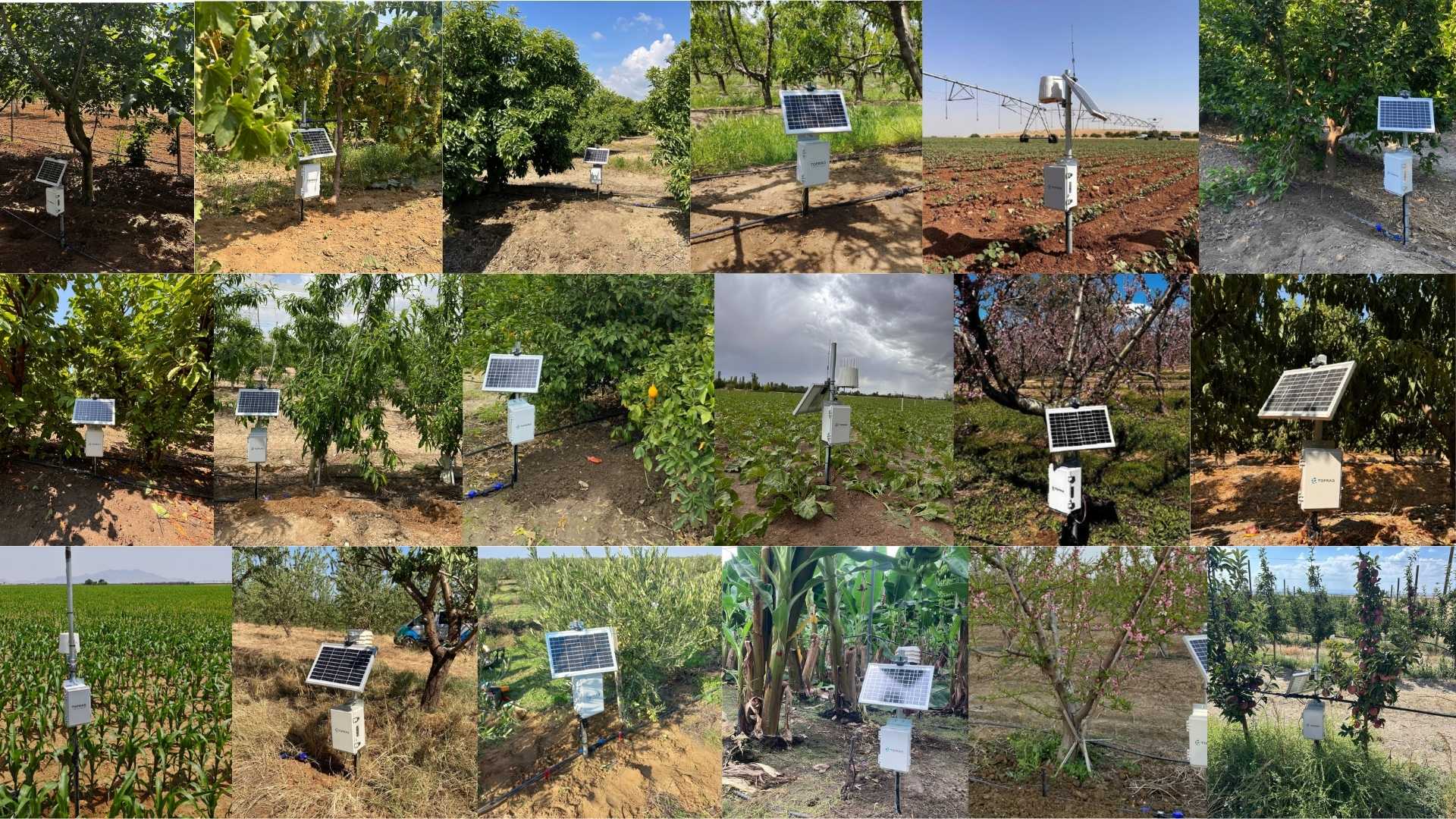
- Transforming field-level sensor data into a decision-driven production model that conserves water, restores soil health, and delivers consistent yields through real-time analytics and decision-support algorithms
Regenerative Agriculture: A Philosophy That Brings Soil Back to Life
Regenerative agriculture does not view soil merely as a production surface. Instead, it recognizes soil as a living ecosystem that requires precise and informed management. Its primary goal is to reverse degradation caused by intensive tillage and excessive chemical use, while improving soil functionality, resilience, and productivity over time.Fundamental Principles of Regenerative Agriculture
Soil Nutrition
Enhancing soil productivity by increasing organic matter and supporting biological activity.Increasing Biodiversity
Revitalizing both below-ground and above-ground life through diverse crop rotations, biological inputs, and cover crops.Improving the Water Cycle
Increasing the soil’s water-holding capacity to improve drought resistance and reduce irrigation dependency.Carbon Sequestration
Capturing excess atmospheric carbon and storing it in the soil to support climate change mitigation.How Can Regenerative Agriculture Be Applied Without Sacrificing Yield or Profitability?
The answer lies in measurement-based, gradual transition strategies:- Field-specific diagnostics (biology, chemistry, plant tissue, salinity)
- Planned implementation (reduced tillage, cover crops, targeted nutrition)
- Start small and scale (plot-level trials before full adoption)
- Continuous monitoring (organic matter %, infiltration rate, soil respiration, water and energy use, yield and quality metrics)
Where Technology Meets Nature: Precision Agriculture Technologies
Regenerative agriculture does not rely on assumptions—it relies on data and measurement. Understanding true soil capacity, real-time plant nutrition, and actual crop water demand requires converting field data into actionable decisions. Solutions such as Plant Sap Analysis (Yapraq), Soil Analysis (Soliv), and Irrigation Optimization (T-Irrigate) provide farmers with the tools needed to implement regenerative principles effectively and profitably.1. Soliv: Soil Health Management Through Advanced Soil Analysis
Soliv goes beyond conventional chemical soil testing by integrating Soil Health Tests and Total Nutrient Digestibility Analysis. This approach evaluates both biological and chemical soil capacity, revealing the soil’s true productive potential. In-Depth Soil Diagnostics Soliv measures organic matter levels, microbial activity, and overall soil health—providing a complete picture of the living soil ecosystem. Regenerative Action Plans Based on analysis results, Soliv delivers customized recommendations on organic matter inputs, cover crop selection, and reduced tillage strategies. This is not about feeding the soil temporarily—it is about restoring it long term.
2. Yapraq: Plant Nutrition Management Through Plant Sap Analysis
Even in healthy soils, plant nutrition status is critical for yield stability and disease resistance. Plant sap analysis enables direct, real-time measurement of nutrient levels within the plant—before visual deficiency symptoms appear. By identifying nutrient deficiencies or excesses early, Yapraq enables precision nutrition strategies that reduce unnecessary fertilizer use, minimize chemical load, and stabilize yield and quality throughout the season. Early Warning System Plant sap reflects the most accurate snapshot of a plant’s nutritional status. Yapraq detects nutrient imbalances long before yield losses occur. Precise and Timely Intervention Yapraq eliminates guesswork in fertilization. It identifies exactly which nutrients the plant needs—reducing costs, preventing over-application, and directly supporting regenerative farming principles.
3. T-Irrigate: Smart Irrigation Management Through Water Optimization Stations
Water management is a cornerstone of sustainable agriculture. T-Irrigate combines multi-depth soil moisture sensors, field-level weather data, and flow meter readings to generate site-specific irrigation thresholds. This data-driven approach ensures irrigation decisions are based on real conditions—delivering the right amount of water at the right time. Precision Water Requirement Assessment T-Irrigate integrates soil moisture, satellite imagery, and meteorological data to determine actual crop water demand, replacing intuition-based irrigation with science-based decisions. Stress Prevention, Yield Protection By avoiding both water stress and over-irrigation, T-Irrigate protects root health, reduces water and energy costs, and helps crops reach their full yield potential—especially critical in water-scarce regions.
A Holistic Approach for a Better Agricultural Future
Sustainable agriculture is no longer optional—it is a necessity. Regenerative agriculture offers the philosophy, while technologies like Soliv, Yapraq, and T-Irrigate provide the tools to turn this philosophy into action. By measuring and improving soil health with Soliv, managing plant nutrition in real time with Yapraq, and optimizing irrigation with T-Irrigate, farmers can:- Reduce chemical fertilizer inputs
- Increase soil fertility and biological activity year after year
- Conserve water resources
- Build resilience against climate change
- Improve profitability and crop quality simultaneously