
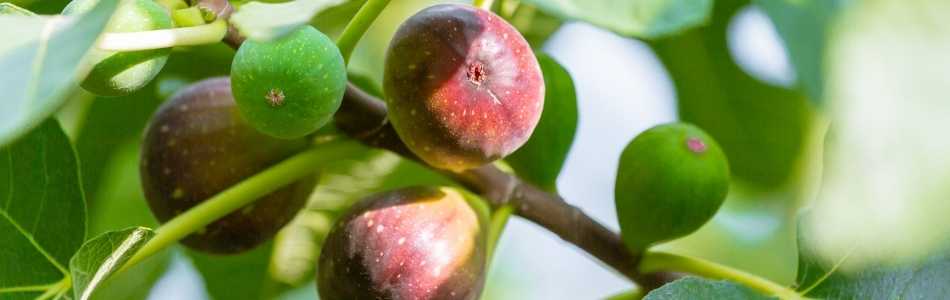
Fig is one of the most valuable fruit crops worldwide. Despite its adaptability, the fig tree is susceptible to a range of diseases affecting the leaves, fruits, trunk, and root zone. These problems may arise from environmental stress, fungal or bacterial pathogens, and in many cases, microorganisms transported through irrigation water.
For growers, the most critical factor is accurate disease identification and early intervention. Detecting symptoms at an early stage and applying the right management strategy can significantly reduce yield losses and long-term damage to the orchard.
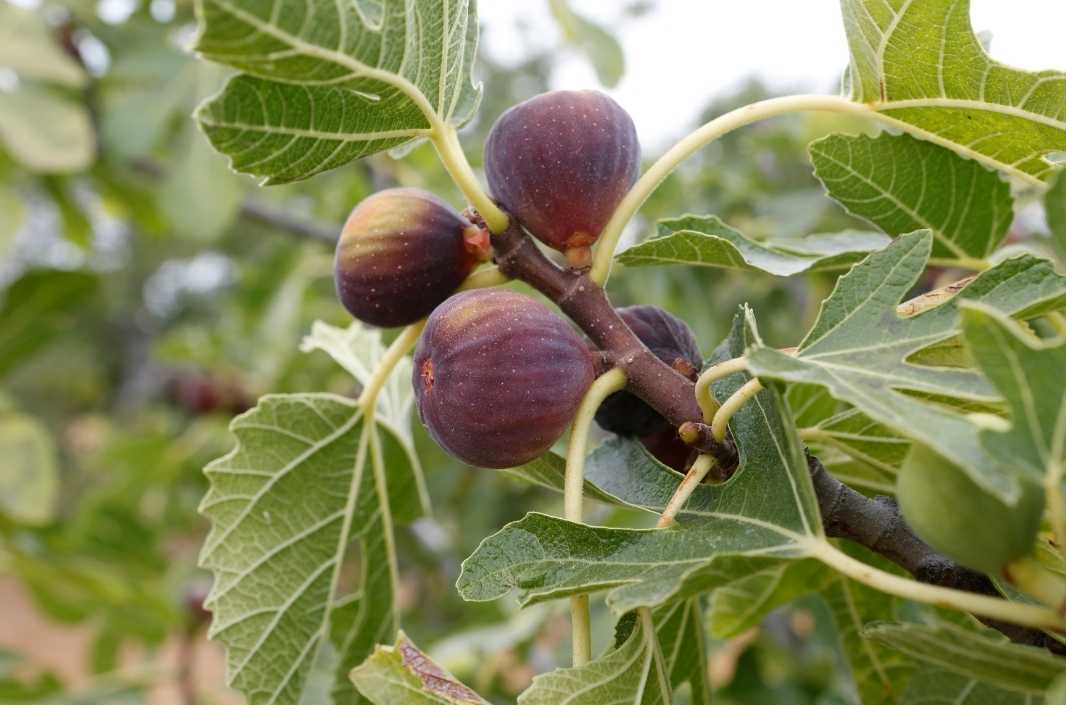
What Are Fig Tree Diseases?
Fig tree diseases commonly affect the foliage, fruit, and woody tissues of the tree. The most frequently encountered disease groups include the following:Fig Rust Disease
Fig rust is one of the most widespread diseases in fig orchards. It causes brown to reddish spots on the leaves, eventually leading to premature leaf drop. As photosynthesis declines, tree vigor weakens and yield potential is reduced.Fungal Diseases
Certain fungal pathogens, often carried by irrigation water, can cause rot in the root and trunk zones. Symptoms may include leaf yellowing, spotting, and early defoliation. These diseases spread rapidly under humid conditions, making water management a key risk factor.Fig Fruit Diseases
During the fruit development stage, rotting, darkening, and surface lesions can occur. These disorders directly affect fruit quality and marketability, leading to economic losses for producers.Bacterial Diseases
Bacteria introduced through irrigation water may damage the roots and trunk tissues. This weakens overall tree growth and can result in gradual but significant yield decline over time.Fig Pests
Pests such as aphids, fig borers, scale insects, and thrips contribute not only to direct damage but also to the spread of diseases by creating entry points for pathogens.
Natural Methods to Manage Fig Tree Diseases
Although chemical treatments may be necessary in certain cases, natural and preventive approaches offer more sustainable solutions for long-term orchard health. This is especially important for diseases linked to irrigation water quality. Key natural management practices include:Irrigation Water Analysis
Irrigation water sources should be analyzed regularly to detect fungal or bacterial contaminants. Where needed, filtration or disinfection methods can be applied to minimize disease pressure.Orchard Hygiene
Removing infected leaves, branches, and fallen fruit from the orchard helps prevent the spread of pathogens. Proper sanitation during and after pruning operations is essential.Maintaining Soil Health
Improving soil organic matter supports beneficial microbial activity. A biologically balanced soil environment naturally suppresses harmful fungi and bacteria while strengthening plant resilience.How to Manage and Reduce Fig Tree Diseases?
While some fig tree diseases cannot be completely eliminated, their impact can be significantly reduced through consistent and informed management:- Regular Monitoring: Continuous observation of leaves, fruits, and tree structure allows early detection of abnormal symptoms.
- Irrigation Water Testing: Laboratory analysis of irrigation water for fungal and bacterial contamination should be part of routine orchard management.
- Strict Hygiene Practices: Clean pruning tools and removal of infected plant material greatly reduce disease transmission.
- Natural Preventive Applications: Biological and natural treatments can help suppress disease development while minimizing chemical use.