
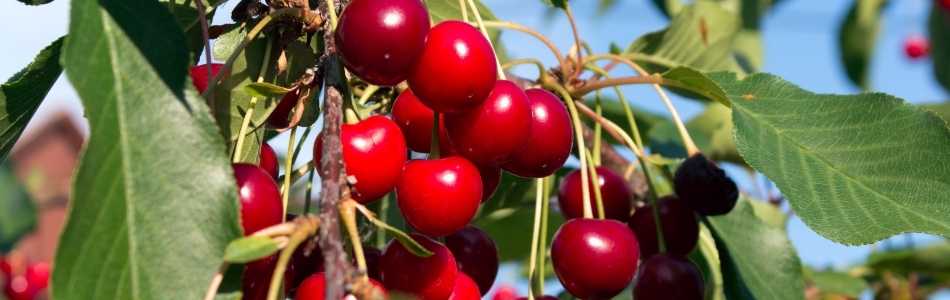
What Are Cherry Tree Diseases?
Cherry trees are vulnerable to bacterial, fungal, and viral diseases. These pathogens weaken overall tree health, cause visible symptoms on leaves, shoots, flowers, and fruits, slow growth, and significantly reduce yield and fruit quality.
Most cherry diseases spread rapidly when nutrient balance and water management are inadequate. Technologies such as Yapraq enable early diagnosis and support proactive disease prevention, rather than reactive chemical control.
Natural Methods to Combat Cherry Tree Diseases
While chemical sprays may offer short-term solutions, they often increase residue risks and pathogen resistance. Sustainable cherry production requires holistic and natural disease management approaches.
Strengthening Plant Immunity
- Balanced uptake of calcium, magnesium, zinc, and boron strengthens cell walls and limits pathogen entry.
- Plant sap analysis identifies nutrient deficiencies 4–6 weeks in advance, enabling targeted and precise foliar applications.
Cultural Practices
- Maintaining orchard hygiene by removing fallen leaves and infected fruits
- Proper pruning to improve air circulation
- Improving soil drainage to prevent root diseases
Biological and Organic Solutions
- Organic copper compounds help suppress fungal and bacterial development
- Beneficial microorganisms compete with pathogens and limit disease spread
Common Diseases in Cherry Trees
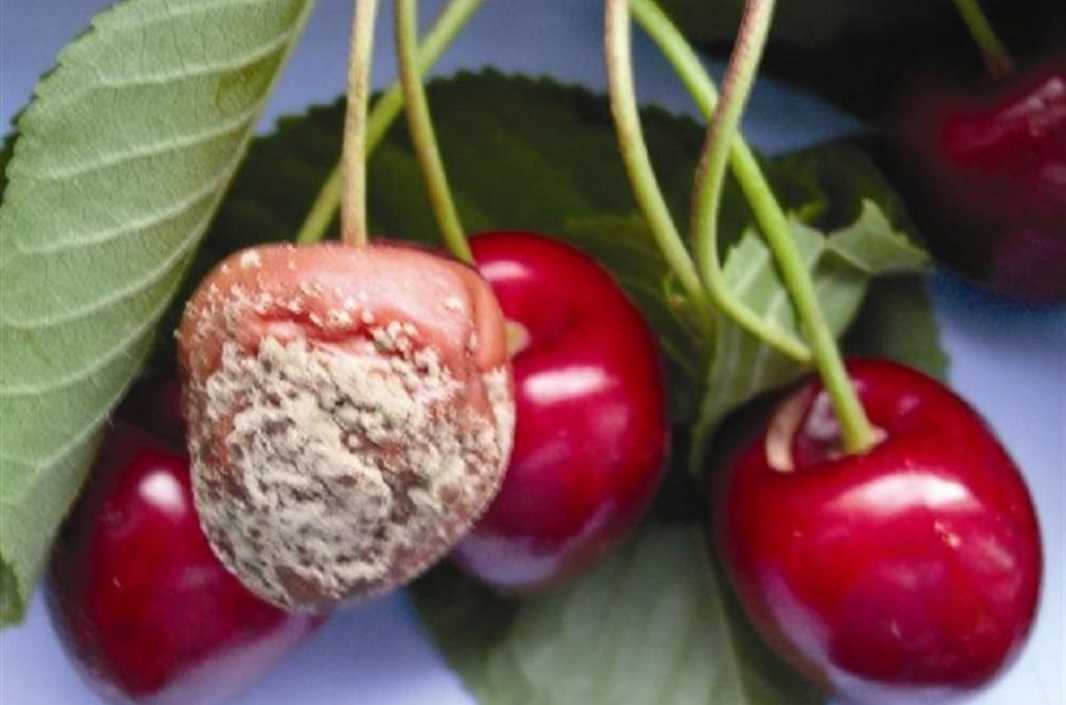
1. Brown Rot (Monilinia fructigena)
Symptoms: Brown lesions on fruits, rapid shriveling, mummification, and fruit remaining attached to branches.
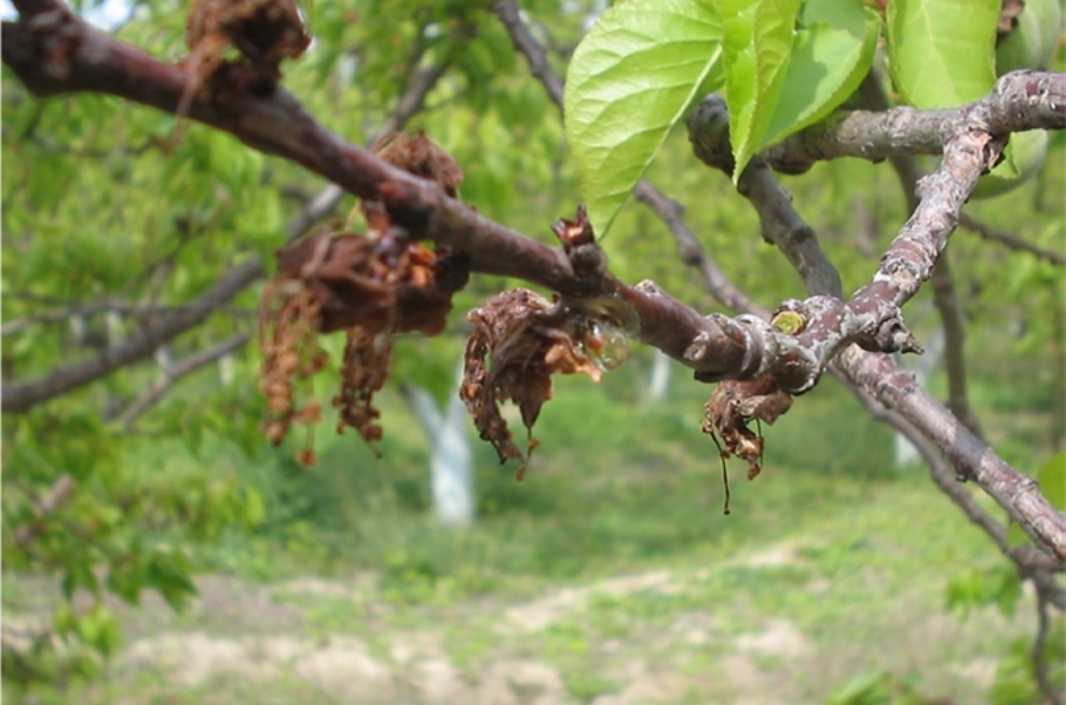
2. Blossom Blight (Monilia laxa)
Symptoms: Browning of flowers, shoot dieback, and canker formation.
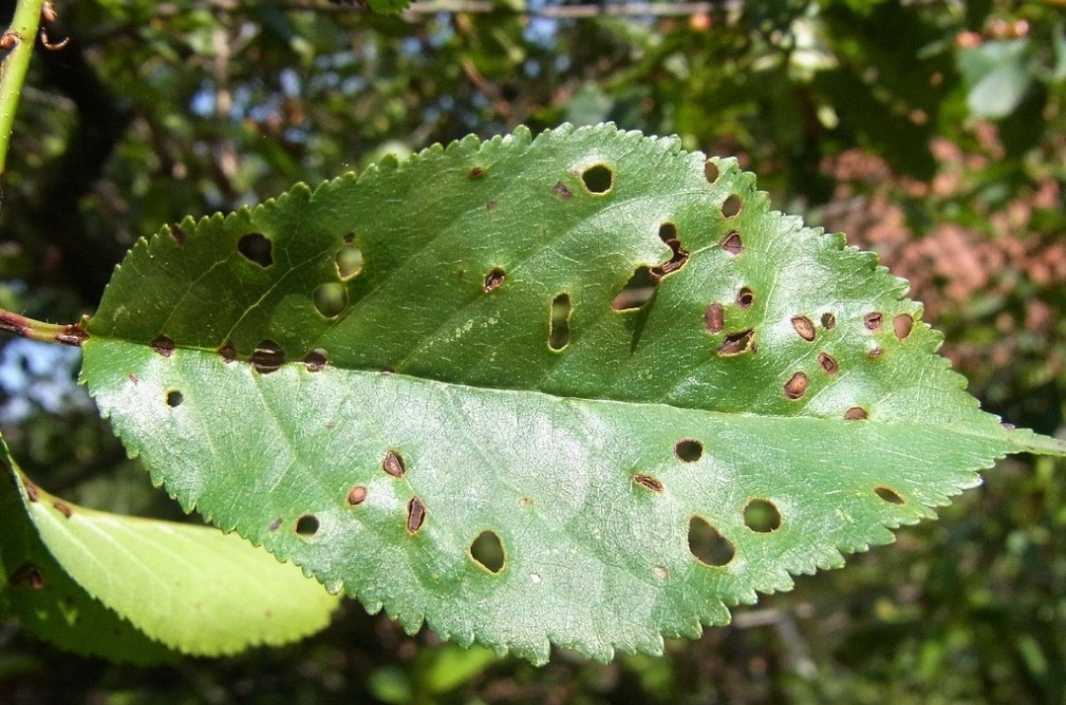
3. Shot Hole Disease (Stigmina carpophila)
Symptoms: Perforated leaves, freckle-like spots on fruits, gum exudation on shoots.
4. Cherry Leaf Spot (Blumeriella jaapii)
Symptoms: Small purple spots on leaves, early defoliation, reduced yield.
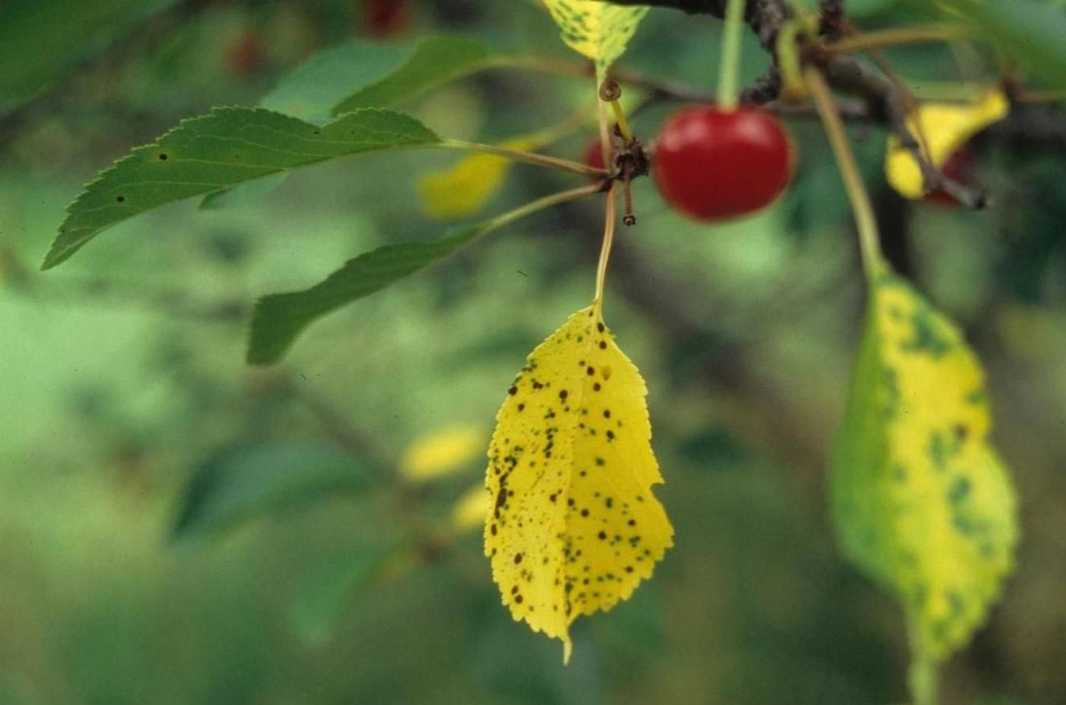
5. Rosellinia Root Rot (Rosellinia necatrix)
Symptoms: Leaf yellowing, growth stagnation, gradual tree decline.
6. Armillaria Root Rot (Armillaria mellea)
Symptoms: Root decay, reduced shoot growth, leaf yellowing and drop.
7. Phytophthora Root and Crown Rot (Phytophthora spp.)
Symptoms: Pale green to yellow leaves, stunted growth, drought-like symptoms in early summer.
Adequate levels of magnesium, iron, manganese, nitrogen, and phosphorus improve carbohydrate quality and root exudates. This directly shapes the rhizosphere microbiome and determines whether soil becomes disease-suppressive or disease-promoting. When full photosynthesis is achieved, cherry trees show stronger resistance to soil-borne fungal pathogens.
8. Crown Gall (Agrobacterium tumefaciens)
Symptoms: Tumor-like galls at the root crown, dieback in young trees, poor fruit quality in mature trees.
9. Bacterial Canker and Gummosis (Pseudomonas syringae pv. syringae / morsprunorum)
Symptoms: Leaf spots, trunk cankers, gum exudation.
Healthy lipid synthesis creates a protective waxy layer on leaves that acts as a physical barrier against airborne fungal and bacterial pathogens. This defense mechanism corresponds to the third level of John Kempf’s Plant Health Pyramid.
10. Cherry Leaf Roll Virus (CLRV)
Symptoms: Upward leaf rolling, brittle leaf tissue, delayed flowering.
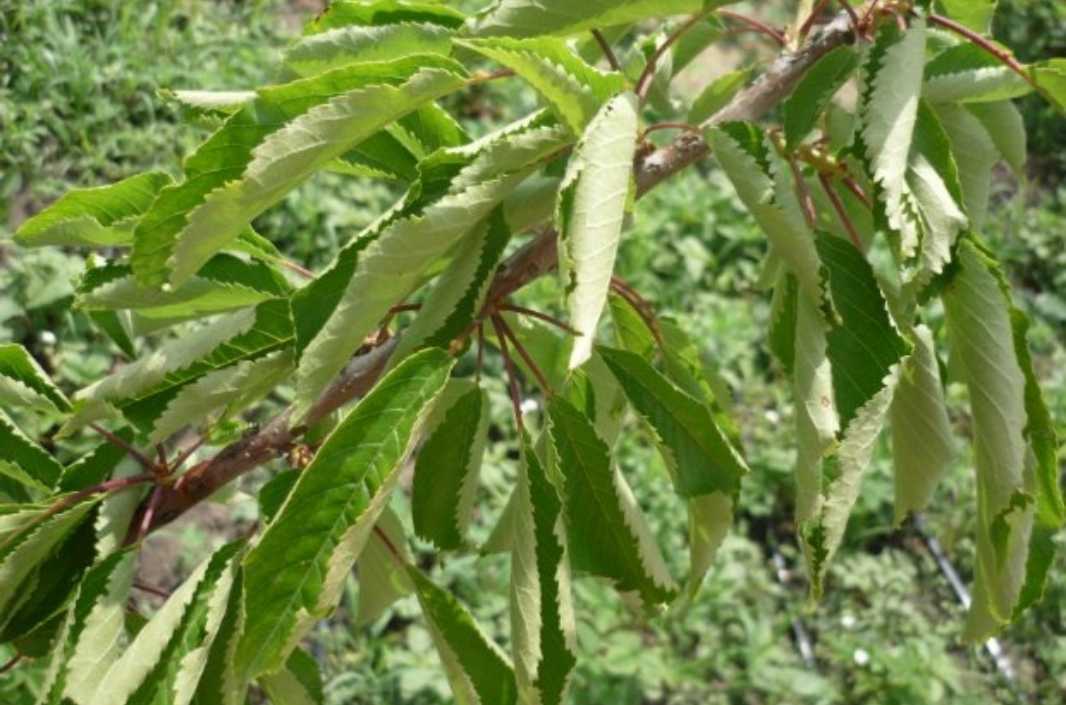
11. European Cherry Rasp Leaf Virus
Symptoms: Rosetting, small and thickened leaves, stunted growth.
12. Prune Dwarf Virus (PDV)
Symptoms: Chlorotic rings, leaf deformation, necrotic streaks.
13. Prunus Necrotic Ringspot Virus (PNRSV)
Symptoms: Leaf spotting and necrosis, yield losses up to 50%, graft incompatibility.
14. Plum Pox Virus (Sharka)
Symptoms: Vein clearing on leaves, fruit discoloration, tree decline in advanced stages.
Observations suggest that plants capable of strong secondary metabolite synthesis may tolerate viral presence without visible physiological damage. Although no direct study has been conducted by us, balanced nutrition and active soil biology play a critical role in viral tolerance.
Cherry Tree Pests and Control Methods
Pests can cause damage comparable to diseases, leading to severe yield and quality losses—especially during flowering and fruit set periods.
Pests with Available Pheromones
Key pests in cherry orchards include the cherry fruit fly (Rhagoletis cerasi), certain leafroller species, and other lepidopteran pests.
For effective monitoring and population management, the T-Trap Digital Pheromone Trap offers a powerful solution:
- Early Warning: Detects pest emergence and ensures sprays are applied only when necessary
- Accurate Timing: Targets pests at the most vulnerable stage of their life cycle
- Reduced Chemical Use: Protects fruit quality and the environment by avoiding unnecessary applications
Integrated Approach with Yapraq
By combining Yapraq Plant Sap Analysis with T-Trap pest monitoring, growers can manage nutrition, plant immunity, and pest pressure simultaneously, enabling true integrated disease and pest management.
How to Cure Cherry Tree Diseases
Successful recovery depends on early diagnosis and continuous monitoring.
- Analysis-Based Nutrition: Yapraq delivers precise nutrition programs based on real-time plant data
- Regular Orchard Monitoring: Especially critical during flowering and fruit set
- Hygiene and Prevention: Rapid removal of infected plant material
Sustainable Cherry Production: Long-Term Success
Long-term success in cherry production depends not only on treating diseases, but on preventing them.
Nutrition programs supported by plant sap analysis strengthen plant immunity, reduce disease pressure, and improve fruit quality. With Topraq technologies, early detection, precise nutrition, and integrated management become achievable in every cherry orchard.
Frequently Asked Questions
What are natural methods to prevent cherry tree diseases?
Strengthening plant immunity through balanced nutrition, natural copper compounds, and beneficial microorganisms forms the basis of natural disease prevention.
How can cherry tree diseases be prevented?
Disease prevention relies on plant sap analysis, orchard hygiene, proper drainage, and correct pruning practices.
What are common cherry leaf diseases?
Shot hole disease, rust, powdery mildew, and leaf spot are the most common leaf diseases in cherry trees.
How are bacterial diseases in cherry trees treated?
Early diagnosis, wound sealing, copper applications, and avoiding winter pruning are effective control measures.
How can cherry tree pests be controlled?
Early detection and timely intervention using the T-Trap Digital Pheromone Trap enable effective and sustainable pest management.